
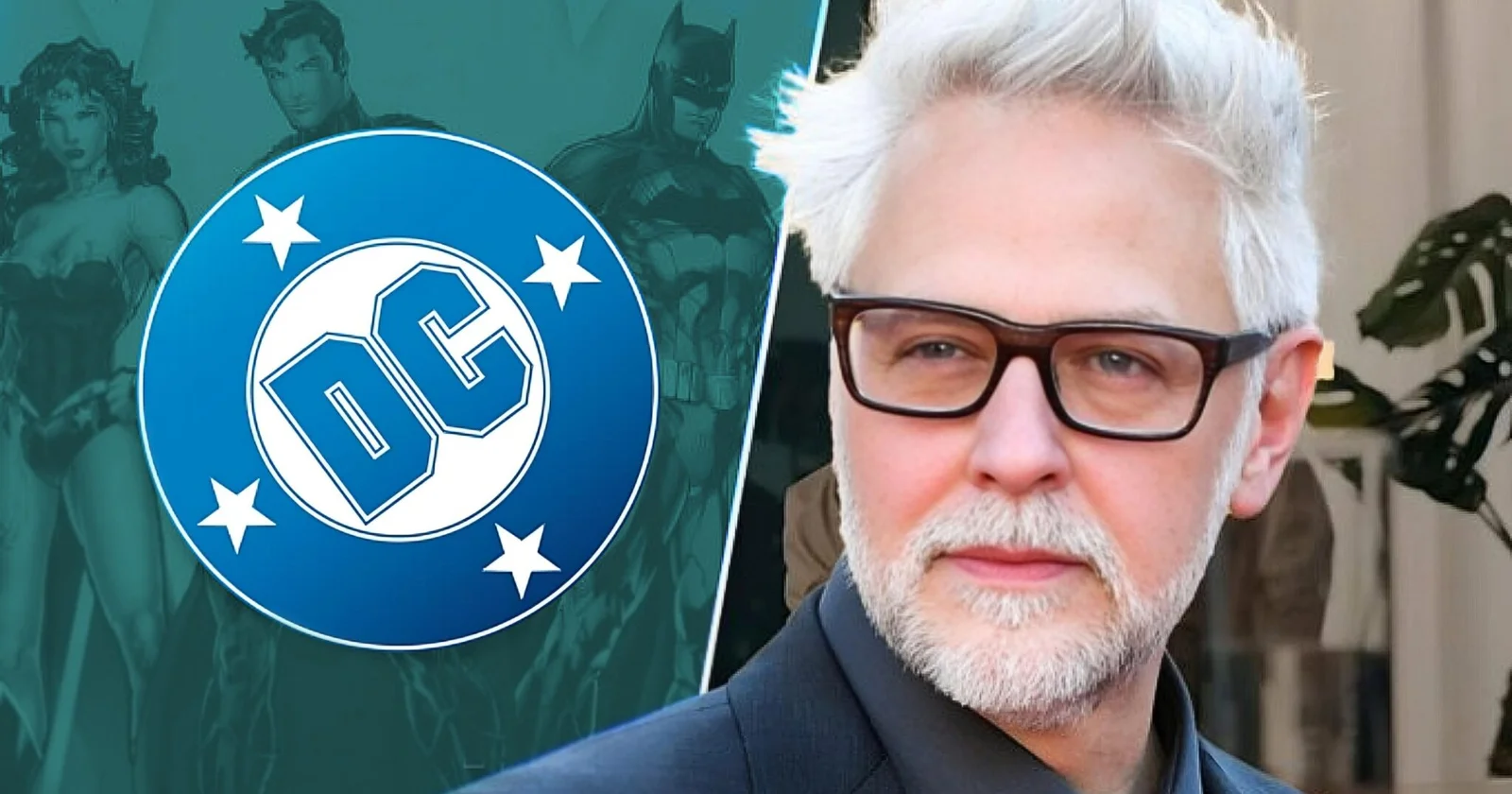
The DCU has been building a connected universe across movies and television. However, the franchise may now be heading toward a more focused strategy. Several projects announced during its early development have faced changes, delays, or uncertainty.
Now, a new report suggests that two major DCU television projects are no longer moving forward. If accurate, the reported cancellations could signal a major change in how DC Studios approaches its growing television slate.
DCU Reportedly Cancels Waller and Paradise Lost
According to a new report from The Ankler, DC Studios has reportedly canceled Waller and Paradise Lost, and both projects are no longer in active development.
Both projects were originally part of the large DCU television slate announced by James Gunn and Peter Safran in 2023. At the time, DC Studios planned to expand its new universe across both theatrical movies and streaming series.
Waller, starring Viola Davis as Amanda Waller, would have explored one of the DC Universe’s most influential characters. Meanwhile, Paradise Lost would have explored the world of Wonder Woman through a new series.
However, the reported cancellations could show that DC Studios is now becoming more selective about which television projects it wants to develop.
Waller Series Reportedly Dropped From the Active DCU Slate
The reported cancellation of Waller would remove one of the more prominent television projects from the original DCU plan.
Viola Davis has already made Amanda Waller an important part of DC’s live-action universe. The character appeared in The Suicide Squad and later played a major role in Peacemaker.
A standalone Waller series could have expanded her story while also exploring the political and government side of the DCU.
Unlike a traditional superhero show, the series could have focused more heavily on espionage, government operations, and the complicated decisions surrounding metahuman activity.
Nevertheless, the latest report indicates that the project is no longer in active development.
Paradise Lost Would Have Expanded Wonder Woman’s World
Paradise Lost was another major project from the DCU’s original television lineup.
The series was planned around Themyscira, the home of Wonder Woman and the Amazons. Instead of following Diana Prince directly, the show was expected to explore the history, culture, and political conflicts of the Amazon homeland.
As a result, Paradise Lost could have introduced audiences to an important part of Wonder Woman’s mythology before the character became more involved in the wider DCU.
However, if the report is accurate, DC Studios may no longer be moving forward with the series.
Why Is the DCU Reducing Its TV Slate?
The reported cancellations could point toward a broader change in DC Studios’ strategy.
When James Gunn and Peter Safran announced their initial DCU slate in 2023, the plan featured a large number of movies and television projects. The goal was to create a connected universe across different formats.
However, producing too many interconnected shows can create challenges.
For example, audiences may feel pressured to watch every series to understand the larger story. In addition, a large television slate can spread creative and production resources across too many projects.
Therefore, DC Studios may now be looking for a smaller number of television projects that can add value to the DCU without making the franchise difficult to follow.
Supergirl’s Reported Box Office Performance Adds Pressure
The reported shift comes at an important time for the DCU.
Supergirl reportedly underperformed at the box office, which could increase pressure on DC Studios’ upcoming projects. The studio now has to demonstrate that its new DCU strategy can connect with audiences both critically and commercially.
That pressure could also extend to upcoming projects such as Lanterns and Man of Tomorrow.
While the reported cancellation of Waller and Paradise Lost may not be directly connected to Supergirl’s performance, the timing highlights the need for DC Studios to make careful decisions about its future slate.
Consequently, a more focused release strategy could help the studio build momentum without overwhelming audiences.
The DCU Could Be Shifting Toward Theatrical Releases
One of the biggest implications of the reported cancellations is a possible shift away from a large number of television projects and toward theatrical releases.
DC Studios does not necessarily need a television series for every major character or corner of its universe. Instead, the studio could reserve its biggest characters, stories, and crossover events for theatrical movies.
Meanwhile, television could be used for smaller-scale stories that expand the DCU without requiring audiences to follow every major event.
This approach could make the overall franchise easier to understand.
More importantly, it could allow DC Studios to build anticipation around its theatrical releases while using television to explore stories that might not need a big-screen budget.
Marvel Faced a Similar MCU Problem
Interestingly, Marvel Studios has already experienced a similar challenge.
Following Avengers: Endgame, Marvel significantly expanded the MCU through Disney+ television series. The shows introduced new characters, continued existing stories, and filled gaps between major movies.
However, the large volume of MCU movies and shows reportedly made the franchise increasingly difficult for some fans to follow.
Viewers could feel that they needed to watch numerous series before understanding the next major movie. As a result, the sheer amount of interconnected content became a concern.
Marvel Studios subsequently moved toward reducing its overall output, with plans to release approximately 2–4 major projects per year.
That change reflects a broader lesson for shared cinematic universes: more content does not always mean a stronger franchise.
Could the DCU Adopt a More Focused Strategy?
The DCU could potentially learn from Marvel’s experience.
Rather than producing television shows for every major character, DC Studios could focus on a smaller number of carefully selected projects.
Television could then serve a specific purpose. Smaller-scale stories could expand the universe, introduce new corners of the DC mythology, or develop supporting characters without making every series essential viewing.
At the same time, the biggest DC characters and events could remain primarily focused on theatrical movies.
This strategy could give each release more room to stand out.
Lanterns Could Be the Model for DCU Television
Lanterns is a strong example of how this more focused approach could work.
The series can expand the DCU by exploring the Green Lantern mythology while maintaining a clear central story. It does not need every major DC character to appear simply because the show exists within the larger universe.
That could make Lanterns easier for casual viewers to approach.
Furthermore, the series can add important world-building without forcing audiences to keep up with dozens of interconnected television shows.
If this approach succeeds, DC Studios could use television selectively rather than attempting to build an enormous streaming slate.
The reported cancellations of Waller and Paradise Lost could signal a more focused future for the DCU. Instead of producing too many interconnected TV projects, DC Studios may prioritize select series while saving its biggest stories for theaters. Ultimately, a smaller, carefully planned slate could make the DCU easier to follow and more impactful for audiences.
Stay tuned for the latest updates on DCU’s upcoming projects, and subscribe to DC Updates’ YouTube channel.
 Ambily S
  Shobith C