
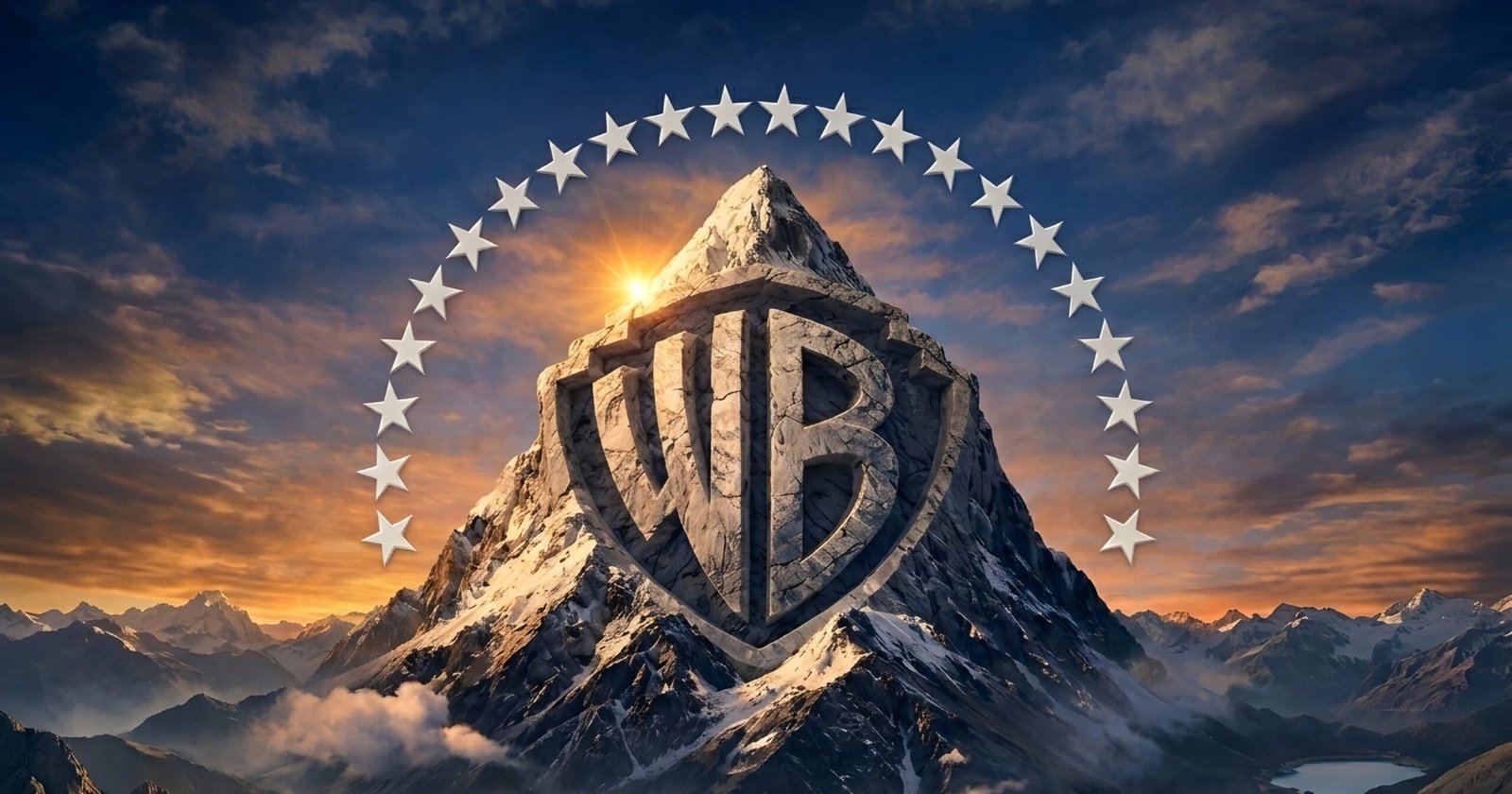
The Paramount Warner Bros. Acquisition marks a major turning point in Hollywood. After months of a heated bidding war, Netflix declined to match Paramount Skydance’s $31/share offer for Warner Bros Discovery (WBD), citing the deal as financially unattractive. Netflix initially valued Warner Bros at $82.7 billion, while Paramount’s bid now values the combined company at $108 billion, giving Paramount a clear advantage.
Paramount’s Winning Offer
Paramount’s latest offer includes:
- $31 per share in cash
- $7 billion contingency if the deal faces regulatory hurdles
- $2.8 billion coverage owed to Netflix from previous agreements
Larry Ellison personally backed $40.4 billion in equity financing for Paramount, addressing WBD’s debt and strengthening Paramount’s position. This aggressive strategy left Netflix unable to match, securing Paramount as the winner.
Background on Warner Bros Discovery
WBD was split into two companies in 2025 to give the brands sharper focus amid cable struggles and a $50 billion debt load:
- Warner Bros: TV, HBO film studio, and HBO Max streaming
- Discovery Global: Discovery channels, CNN, TNT, and cable networks
The Paramount’s Acquisition of Warner Bros. now brings these assets together under Paramount’s management, promising efficiency-driven operations and potential changes to content strategy.
Timeline of the Bidding War
- December 5, 2025: Netflix announces an agreement to acquire WBD for $82.7 billion.
- December 8, 2025: Paramount launches a hostile takeover bid.
- December 22, 2025: Larry Ellison backs $40.4 billion in equity financing for Paramount.
- February 2026: Paramount raises its offer to $31/share; Netflix declines to match.
Consumer Implications
This new deal could reshape the streaming landscape and impact consumers in several ways:
Streaming consolidation: CBS, Showtime, CNN, HBO/HBO Max, and Paramount films may merge services.
Cost-cutting & content reduction: Paramount may shrink content libraries to manage WBD debt and improve operational efficiency.
Editorial concerns: Ellison’s political connections (and support from Donald Trump) could influence cable network decisions.
Creative Impact on Hollywood
The Paramount’s Acquisition of Warner Bros. signals a shift in Hollywood priorities:
Franchise-driven content: Paramount emphasizes commercial and patriotic films, likely focusing on DC films, Harry Potter sequels, and revived IP like Rush Hour.
Reduced prestige projects: Netflix’s approach of supporting director-driven, awards-eligible films may decline.
Commercial-first focus: Hollywood may see fewer experimental or indie-style films as studios prioritize financial returns.
Netflix steps back, Paramount takes the lead, and Hollywood moves closer to consolidation. Paramount’s acquisition of Warner Bros. is expected to streamline streaming platforms, double down on blockbuster and franchise-driven content, and reshape creative decision-making across film and television.
This acquisition represents a pivotal moment, redefining both the business and creative landscape of Hollywood for years to come.
Stay tuned for the latest updates on DCU’s upcoming projects, and subscribe to DC Updates’ YouTube channel.
 Ambily S