
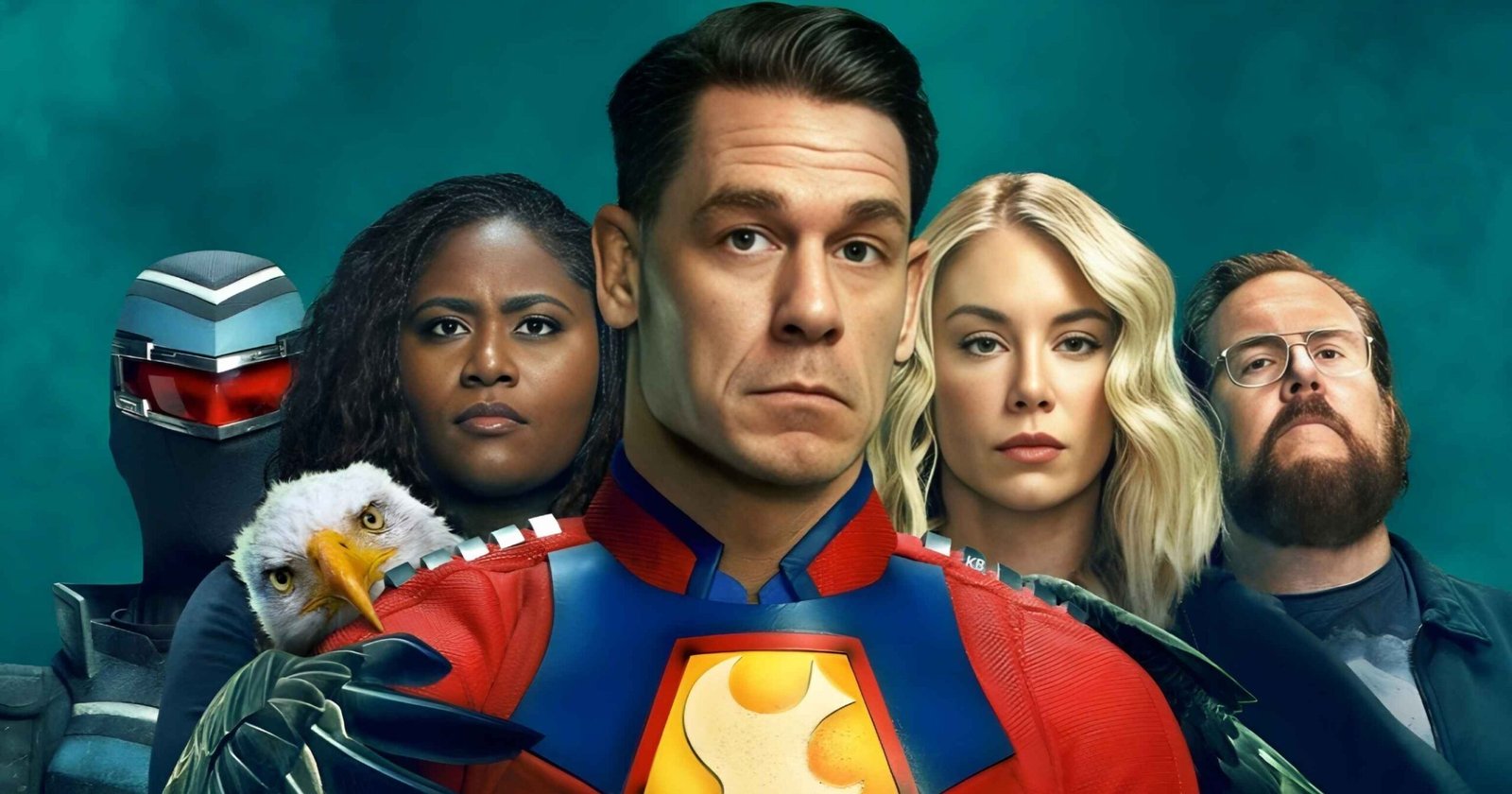
A clear pattern has emerged across James Gunn’s superhero projects, and notably, Peacemaker season 2 continues this trend. In particular, the story highlights the protagonist actively confronting and experiencing the death of their father or father figure. Moreover, this storytelling choice consistently serves to advance the hero’s emotional arc, often by enabling them to break free from toxic parental influence or, as a result, solidify their commitment to a found family.
It is important to note that this pattern is not universal in all of Gunn’s films. For example, although Peacemaker S2 follows the dark father-figure trend, the positive father-son dynamic in his Superman movie clearly demonstrates that he thoughtfully tailors these dramatic beats to the story’s needs.
Specific Examples in Peacemaker Season and Beyond
Moreover, Gunn’s trend spans both the DCU and MCU, clearly demonstrating his distinctive approach to superhero narratives.
DCU: Peacemaker
- Season 1: In Peacemaker Season 2, Chris Smith kills his abusive father, Earth-1 Auggie, in front of him. Consequently, this pivotal moment frees Chris from toxic parental influence and significantly propels his emotional growth.
- Season 2: The trend repeats when Vigilante kills Auggie of Earth-X in front of Peacemaker, driving the plot and forcing Chris to confront his guilt.This event drives the plot and forces Chris to confront his guilt, reinforcing the dark, morally complex tone Gunn favors.
MCU: Guardians of the Galaxy Vol. 2
- Peter Quill’s biological father dies in front of him, cementing Peter’s decision to embrace his found family—the Guardians—over his toxic lineage.
- Yondu’s sacrificial death redeems his character and “breaks the cycle of abuse”, establishing him as a true father figure to Peter.
Brightburn
- The superpowered alien child, Brandon, kills his adoptive father, Kyle, continuing Gunn’s pattern of subverting traditional superhero origin tropes through tragic paternal dynamics.
Broader Stylistic Hallmarks of Gunn’s DCU
In addition to the dark theme of fatherly deaths, Gunn also brings several consistent stylistic elements to his DCU projects:
- Music-driven storytelling: Gunn uses music strategically to “enhance story” moments, heighten emotional beats, and create fast-paced, seamless fight sequences.
- Chemistry among characters: Gunn excels at crafting dynamic relationships among “ragtag groups” of characters. This is evident in Creature Commandos, Superman, and Peacemaker, generating excitement for potential team-ups like a future Justice League ensemble.
Ultimately, although the trend of killing father figures may initially seem shocking, it nonetheless functions as a “necessary storytelling device.” Furthermore, it effectively reinforces the central themes of “personal growth,” “embracing change,” and “accepting a newfound family.”
Stay tuned for the latest updates on DCU’s upcoming projects, and subscribe to DC Updates’ YouTube channel.
 Ambily S
  Shobith C