
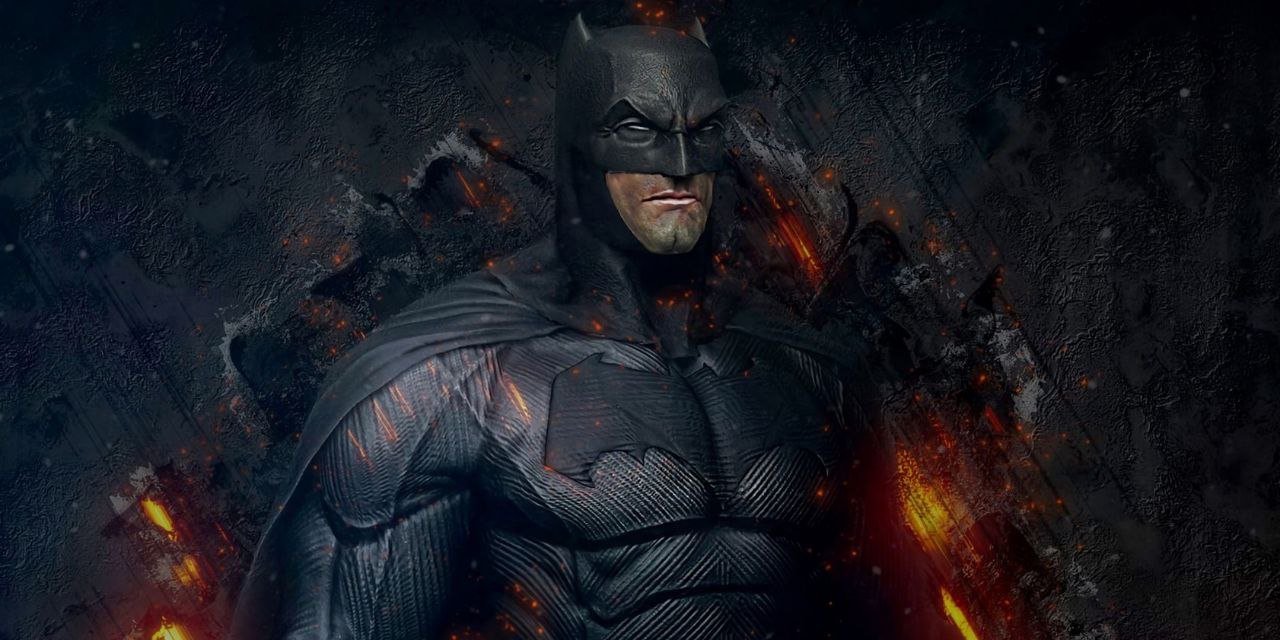
The Batman Public Domain milestone is approaching, with the original version of the Dark Knight expected to enter the U.S. public domain in 2035.
Batman first appeared in Detective Comics #27 in 1939. After 95 years of copyright protection, that earliest incarnation is expected to become available for creators to use without permission from DC.
However, the change will come with important limitations. Not every version of Batman or every element of his mythology will become freely available.
Batman Public Domain Will Cover the Original Version
The Batman introduced in 1939 was very different from the modern version audiences know today. Once the original material enters the public domain, creators will be able to use elements from that early incarnation. This includes the character’s original design and basic characteristics that appeared in the material entering the public domain.
However, later additions to Batman’s mythology can remain protected under their own copyrights. That distinction will be especially important for creators hoping to develop new Batman stories.
What Batman Elements Will Still Be Protected?
The Batman Public Domain transition does not mean that every character and concept connected to the Dark Knight will suddenly become available. Characters and elements introduced later, including Robin and the Joker, remain subject to their respective copyright protections.
Modern costume features and other additions developed over decades can also remain protected. In addition, DC’s trademarks involving Batman’s name and bat symbol could create further legal restrictions.
As a result, creators will need to carefully determine which elements come from the original 1939 material and which were introduced later.
Batman Public Domain Could Lead to New Stories
The Batman Public Domain milestone could give independent filmmakers, writers, and other creators more freedom to experiment with the character’s earliest incarnation. That could eventually lead to unconventional Batman projects that would previously have required authorization from DC.
Horror stories, darker reinterpretations, independent films, and unusual crossover concepts could all become possibilities. However, creators would still need to avoid protected elements that appeared after the original material entered the public domain.
A Very Different Dark Knight
The Batman from Detective Comics #27 was far removed from the modern Dark Knight. Over the decades, writers and artists introduced many of the characters, gadgets, costume elements, and story concepts that now define the franchise.
The original version therefore represents only one specific stage of Batman’s evolution. For creators, that could make the Batman Public Domain transition more complicated than simply gaining unrestricted access to the entire character.
They could use the material that has entered the public domain while still navigating copyrights and trademarks surrounding later developments.
Why 2035 Could Be Important for Batman?
The arrival of 2035 could mark a significant moment for Batman and independent creators. The Batman Public Domain change would potentially allow new storytellers to build projects around the character’s earliest incarnation without seeking permission from DC for those specific public-domain elements.
At the same time, the legal boundaries surrounding later Batman material will remain important.
For now, the countdown continues. If the current U.S. copyright timeline holds, Batman’s original 1939 incarnation is expected to enter the public domain in 2035, opening a new chapter for one of the world’s most recognizable superheroes.
Stay tuned for the latest updates on DCU’s upcoming projects, and subscribe to DC Updates’ YouTube channel.
 Patrick Webb
  Shobith C