
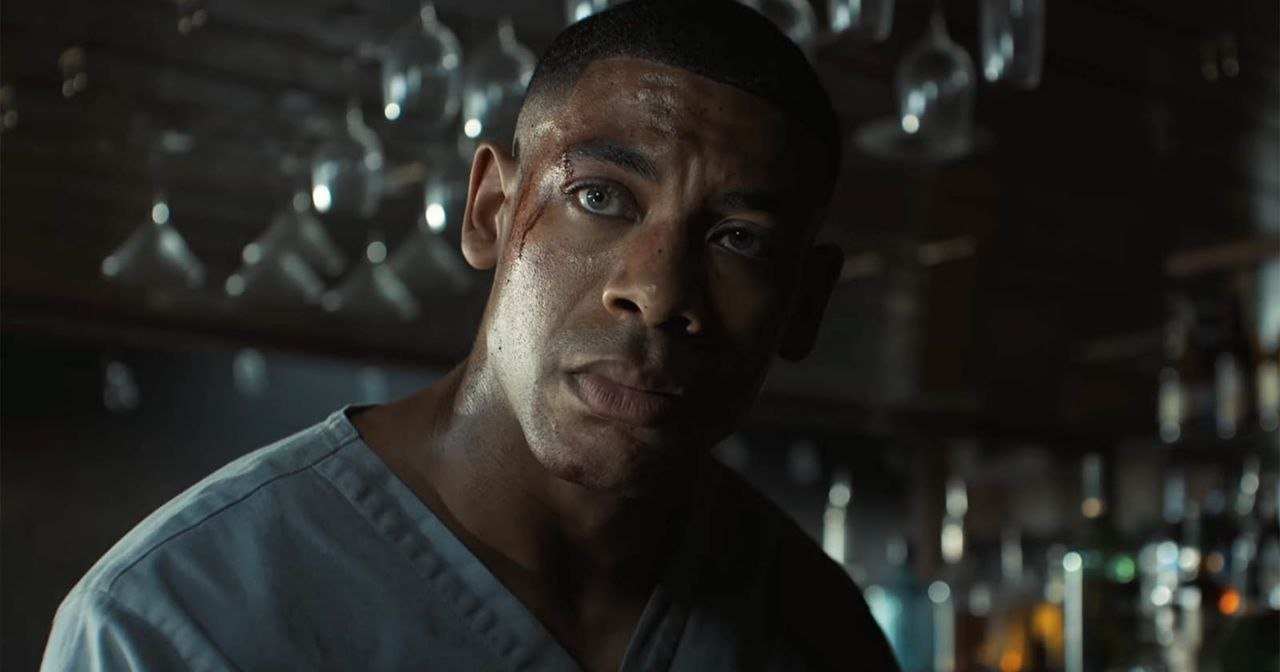
The Lanterns Green Lantern Backlash is growing as some comic readers question whether the HBO series is giving enough attention to the material that made Green Lantern comics so popular.
Lanterns has already built a loyal audience. However, concerns about its approach to the source material have followed the series since before its premiere.
Lanterns Green Lantern Backlash Started Early
The criticism did not begin with the latest episode. Comic readers had already raised questions about how Lanterns would approach the Green Lantern mythology. The show’s marketing appeared to focus heavily on its grounded tone rather than the colorful cosmic world associated with the comics.
The series has cited True Detective, John Wayne westerns, Midnight Run, and No Country For Old Men as major influences. Those inspirations have helped establish the show’s crime-driven identity. However, the lack of similar emphasis on the Green Lantern comics has frustrated some longtime readers.
Episode 5 Raises More Questions
The Lanterns Green Lantern Backlash became more noticeable after Episode 5, titled “Lights Out.” The episode puts Hal Jordan and John Stewart at odds while a larger conflict unfolds in Rushville. At one point, the two Green Lanterns fight over Hal’s ring.
John ultimately kills the Manhunter and takes Hal’s ring and battery. He later returns them to the Guardians but refuses to join the Green Lantern Corps. John explains his decision by saying:
“Hal betrayed everything to keep this ring. His code, the oath, even himself, and it broke him.”
The decision creates a major turning point for John’s story. Yet, it also disappointed some fans who expected Hal and John to develop the partnership that became so important to Green Lantern mythology.
Fans Wanted More From Hal and John
Some viewers criticized the episode because Hal and John never truly overcome their differences to work together. That criticism echoes John Stewart’s first comic appearance in Green Lantern/Green Arrow #87. His introduction helped establish a relationship between the two characters that eventually became an important part of Green Lantern history.
Instead, Lanterns continues to present Hal and John as deeply divided characters. That choice fits the show’s grounded approach. Still, some comic readers believe the adaptation could have embraced more of the relationship and mythology that already made these characters compelling.
The Lord of the Rings Inspired “Lights Out”
The Lanterns Green Lantern Backlash also gained another angle after screenwriter Justin Britt-Gibson discussed the inspiration behind “Lights Out” on Lanterns: The Official Podcast. Britt-Gibson revealed that The Lord of the Rings was his main inspiration for the episode. He explained:
“We were sort of exploring the cost of carrying that much power… and what that power does to you,”
He then connected the idea directly to Tolkien’s famous mythology:
“There’s another very popular mythology out there about a ring. And what it does. And it’s power.”
The comparison makes sense thematically. However, it also highlights the criticism surrounding the show’s relationship with Green Lantern comics.
Green Lantern Comics Already Explored This Idea
One of the biggest arguments from critics is that the Green Lantern comics already contain stories about the corrupting influence of power. Sinestro’s fall provides one of the franchise’s most famous examples. His relationship with power and his transformation into one of the Green Lantern Corps’ greatest enemies have been explored extensively throughout the mythology.
Hal Jordan’s Emerald Twilight storyline also examined the devastating consequences of overwhelming power and personal loss. Because of that history, some fans question why the show needed to look outside Green Lantern mythology for inspiration when its own source material already offered similar themes.
What Does the Backlash Mean for Lanterns?
The Lanterns Green Lantern Backlash does not necessarily mean the series has failed with comic readers. The show has established its own identity by blending a detective story with Green Lantern mythology. Its grounded style also separates it from previous live-action attempts at adapting the property.
However, the criticism shows that some fans want the series to embrace more of what makes Green Lantern unique. The colorful Corps, cosmic mythology, distinctive characters, and long history of stories about power could all provide material for the series to explore.
Ultimately, Lanterns still has plenty of time to expand its mythology. If future episodes bring the show’s grounded storytelling closer to the comics, some of the current criticism could eventually fade.
For now, though, the Lanterns Green Lantern Backlash reflects a larger question about the adaptation: how much should a modern Green Lantern series change before it loses the qualities that made the comics special in the first place?
Stay tuned for the latest updates on DCU’s upcoming projects, and subscribe to DC Updates’ YouTube channel.
 Ambily S
  Shobith C